Vacation Cocktail: A Sangria Recipe

If a vacation back home could be distilled and put into a glass, I think it might taste a lot like sangria.

The simple moments–the naps on the couch, dinner table conversations, picnics, garden time, observing the changes in the landscape, listening to the sound of nature, building sandcastles, catching up with old friends, and walks around the old haunts–all have a kind of essence to them, or flavor.

A homecoming cocktail would have to start with wine, since every dinner in the family dining room requires a toast. After pulling the cork on a bottle of crisp white wine and a floral rosé, I’d add zesty citrus—sun kissed tangerines or juicy oranges—to mimic the blast of sweet excitement I feel whenever I see my beloved friends and family. Of course I’d mix in some plump and ripe strawberries to mark the long ago days of childhood and vacation trips to the Pick Your Own strawberry fields near my home in Massachusetts. I would add fresh mint to commemorate my family’s summer gardens and my great grandmother’s iced tea recipe for a hot summers’ day. I would slice up some mahogany dark cherries—sweet gems from the Ann Arbor farmers market if I got lucky—to show the influence of my husband and his Michigan family on just about every aspect of my life. I spoon in a bit of Cointreau to sweeten things up and tip my hat to the sophistication of my family’s palate.

Continue to get my Homecoming Sangria Recipe »

Fava Bean Puree and Spaghetti

Fava beans are a lot like life: it takes a lot of work to get to the really good parts.

First there’s a pod to deal with. Peel back the zipper-string that keeps the pod sealed tight, open up the green shell, and inside you’ll find the precious fava beans nestled inside. But the work doesn’t stop there. There’s still a heavy, protective skin to remove before you get to the precious kidney-shaped nuggets of delicious emerald green. What a luxury fava beans are; I marvel at their simple elegance every time.

Lately, I can’t help but admire the wonderful little things about my job at Mozza.

It took countless years of shedding through inconsequential restaurant positions to find a job studded with rewards. I pitched the notion of the power of a flashy title and began to celebrate the good, humble work of service. I zipped past months catering, peeled back the years of meaningless beer-tap pulling, and stored away my management jobs, to uncover the simple joy of waiting tables and making drinks at Osteria and Pizzeria Mozza.

Nancy Silverton, Mario Batali, and Joe Bastianich’s world-class restaurant is a place where there is no such thing as a meaningless job.

From the prep cook shelling fava beans, the dishwasher cleaning off plates, the receptionist taking calls, the pasta cook dropping fresh pasta into the boiling water, the waiter explaining the menu, to the chef in pristine whites calling out orders —we all make a difference to the experience of everyone that steps into the restaurant.

Continue for a delicious Fava Bean Puree and Pasta Recipe »

Service 101: Stay Out of the Kitchen!

Yesterday in the New York Time’s “Diner’s Journal,” New York Times’ “Your Money” columnist Ron Lieber wrote a brief dispatch about getting kicked out of Restaurant Marc Forgione in Tribeca in his post entitled “Why I got Kicked Out of a Restaurant on Saturday Night.” It’s a simple tale of customer vs. chef, clashing cultures, big egos, and differing points of view.

The abridged version of the story begins with journalist Lieber as diner. The writer was eating at Forgione’s restaurant this weekend when—during the height of service—Chef Forgione began berating one of his employees for talking back to him in, what I must assume to be, an open kitchen. The verbal attacks were so loud—Leiber wrote in his “Diner’s Journal” post—that many in the dining room were visually disturbed.

So enraged by the outburst’s effect on his appetite, Lieber marched into Forgione’s kitchen and scolded the chef for his behavior. When Lieber returned to his table to continue his meal, Chef Forgione followed him into the dining room to speak with the writer about the inappropriateness of his actions. No customer, Forgione said, has the right to reprimand the chef in his kitchen. Even if he was screaming bloody murder.

After a brief back and forth about unsuitable behaviors, Forgione demanded that Lieber (and his guests) leave immediately. Lieber did, in fact, exit the restaurant but departed with a burning desire to tell his story.

Continue for More on Lieber vs. Forgione »

A Recipe for Time

Maybe it’s my age. Perhaps technology and rapid processors are to blame. But days–like slick egg whites passing through my fingers as I separate out the yolks—disappear now, leaving me with nothing but solid month markers to score their departure.  February, becomes March. April turns to May. May will soon be June.

Computers crunch information. Twitter feeds give news (and musings) the moment it happens. Google offers micro-second answers. Video chats replace old-fashioned phone calls and day trips. The library reduces hours and librarians sells old hard covers for pennies to pay the bills. Mom buys an organic frozen meal in the microwave and calls it dinner.

What’s happening to us?

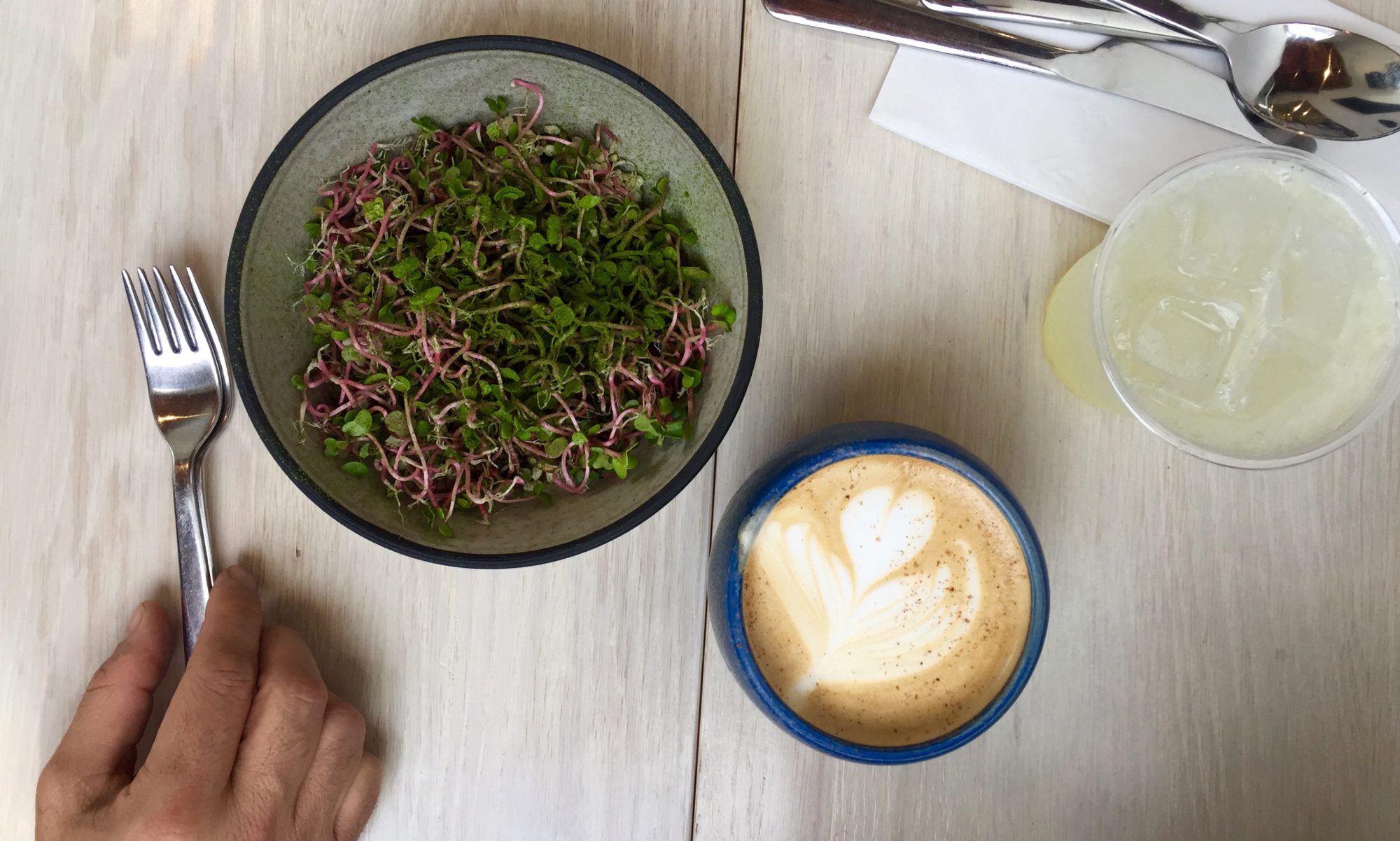
I step into the kitchen and scan my shelves for answers. There’s a loaf of bread. A box of pasta. A bag of rice. The cooler holds radishes, kale, and slippery pods of fava beans. What’s for lunch? What do I have time to make?

Michael Ruhlman, a food-writing hero, recently hit the boiling point at the IACP conference after hearing one too many talking heads extol the virtues of cutting corners in the kitchen. Though I did not attend the Portland event, I was able to see the meltdown online via You Tube (see below). The panel’s talk turned to the need to make cooking easy for people and one speaker celebrated the idea that “pre-cooked” food items could get busy folk motivation to step up to the stove to cook.

Continue for more and a Simple Radish Recipe »